

Custom foot orthotics are one of the most effective—and most misunderstood—tools in foot and ankle medicine. When properly prescribed and placed in appropriate footwear, orthotics can reduce pain, improve function, enhance athletic performance, and help prevent injury across a wide range of ages and activity levels. When poorly designed or placed in unstable shoes, they may offer little benefit or even worsen symptoms.
This article explains what orthotics are, who benefits from them, how they work biomechanically, the importance of proper footwear, the differences between custom and over-the-counter orthotics, their limitations, and why orthotics must be prescribed by a foot and ankle specialist with formal biomechanical training.
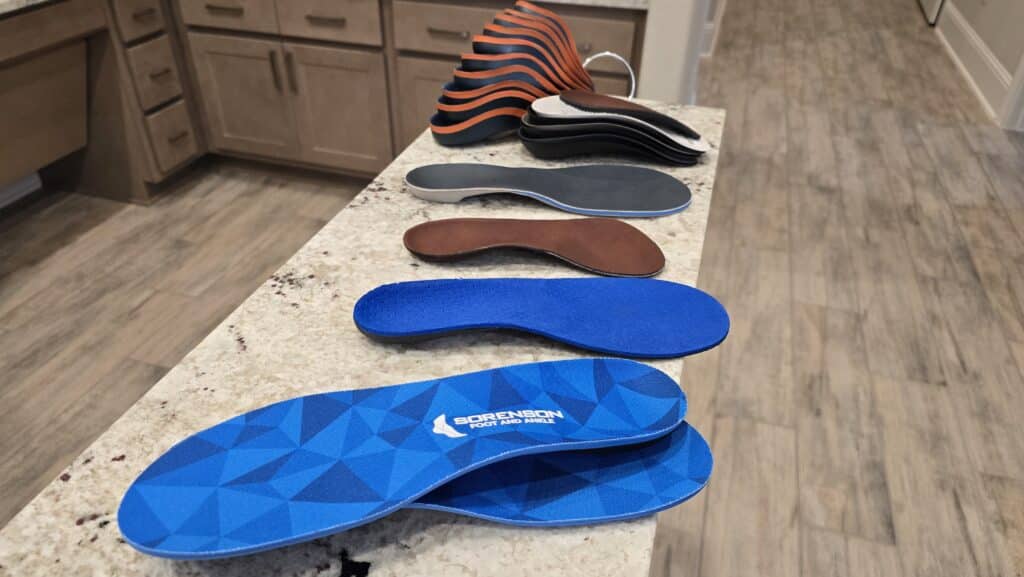
What Are Custom Orthotics?
Custom orthotics are prescription medical devices designed to influence foot motion, redistribute pressure, and improve alignment throughout the lower extremity. Unlike over-the-counter inserts, custom orthotics are:
- Individually prescribed
- Based on a comprehensive biomechanical examination
- Fabricated from a physical mold or digital scan of the foot
- Designed for a specific diagnosis and activity level
They are not generic arch supports or cushions—they are medical devices intended to influence function.
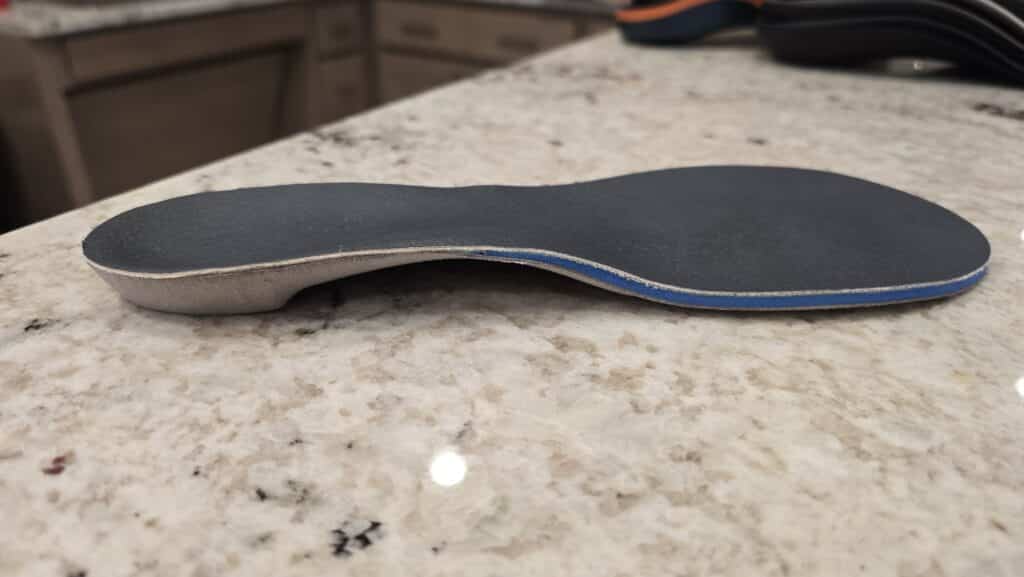
When Are Orthotics Useful?
Orthotics may be indicated for many conditions, including:
- Plantar fasciitis and heel pain
- Flat feet (pes planus)
- High arches (pes cavus)
- Posterior tibial tendon dysfunction
- Ankle instability or recurrent sprains
- Forefoot pain (metatarsalgia, neuromas)
- Achilles tendon disorders
- Shin splints
- Knee, hip, or lower back pain related to foot mechanics
- Pediatric gait abnormalities
They may also play a role in injury prevention, particularly in individuals with repetitive stress or high physical demands.
Orthotics Across the Lifespan
Pediatric Orthotics and UCBLs
In children, orthotics are prescribed only when clinically indicated, such as for symptomatic flatfoot, excessive pronation with fatigue or pain, or gait abnormalities. One commonly used pediatric device is the UCBL orthotic, which provides strong rearfoot and midfoot control while remaining relatively low profile.
Not all flat feet require orthotics—evaluation determines necessity.
Adult Orthotics
In adults, orthotics are often used to manage pain, support degenerative conditions, improve alignment, and reduce repetitive strain. These devices are individualized and frequently activity-specific.
Different Orthotics for Different Uses
Everyday / Walking Orthotics
Designed for prolonged standing and daily activities, these emphasize:
- Stability
- Shock absorption
- Durability
- Compatibility with walking shoes
Athletic Orthotics
Athletic orthotics account for:
- Higher impact forces
- Sport-specific movements
- Increased shear and torque
- Athletic shoe geometry
They are often thinner, reinforced, and designed to function dynamically.
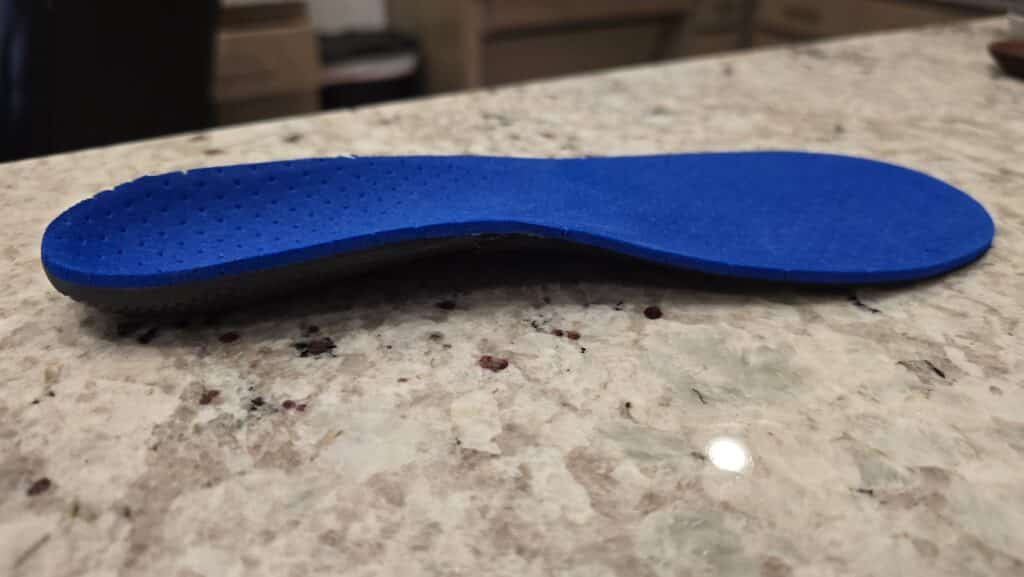
Dress Shoe Orthotics
Dress shoe orthotics require compromise due to limited shoe structure. They are thinner, provide less control, and have limited material options. Because dress shoes offer less support, dress orthotics typically provide less correction and durability than standard or athletic orthotics.
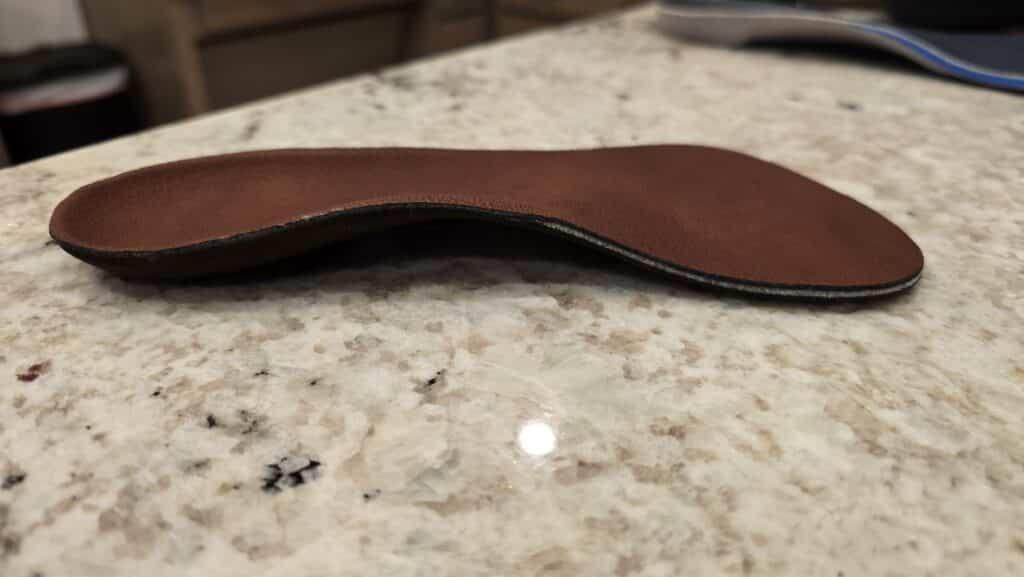
Orthotic Modifications and Custom Adjustments
Beyond the base orthotic design, specific modifications can be incorporated to address particular conditions and symptoms. These may include :
Medial or Lateral Skives
Added to increase rearfoot control and improve stability, commonly used in patients with excessive pronation or instability.
First-Ray Cutouts
Designed to accommodate or offload a plantarflexed or functionally limited first metatarsal and to improve forefoot mechanics during propulsion.
Reverse Dancer Pads
Used to offload the first metatarsal head and redistribute pressure across the lesser metatarsals, often helpful in forefoot pain or sesamoid conditions.
Metatarsal Pads or Bars
Placed to redistribute forefoot pressure, reduce metatarsalgia, and alleviate stress on irritated nerves or joints.
Relief Pockets or Accommodations
Built into the orthotic to offload prominent or painful areas, such as pressure points, bony prominences, or localized soft-tissue irritation.
Posting Adjustments (Rearfoot or Forefoot)
Incorporated to fine-tune alignment and control abnormal motion during gait.
Top-Cover and Cushioning Modifications
Selected to improve comfort, shock absorption, and durability based on activity level and shoe type.
The Importance of Proper Footwear When Using Orthotics
Orthotics do not function independently—they must be placed in an appropriate shoe to work effectively.
Why Shoe Stability Matters
Orthotics rely on the shoe as a stable platform. If a shoe is overly flexible or collapses easily, the orthotic cannot properly:
- Control rearfoot motion
- Support the arch
- Redistribute pressure
- Influence biomechanics
This is especially important for individuals with flat feet or excessive pronation, where rearfoot control is critical.
Shoes That Work Well With Orthotics
Orthotic-friendly shoes generally have:
- A firm heel counter
- A stable midsole with limited twisting
- Controlled forefoot flexibility
- A removable factory insole
- Adequate depth and width
These features allow the orthotic to function as designed.
Shoes That Are Poor Candidates for Orthotics
Footwear that typically does not work well includes:
- Very flexible or minimalist shoes
- Ballet flats
- Flip-flops and most sandals
- Thin-soled casual shoes
- Worn-out shoes with collapsed midsoles
Highly flexible footwear lacks the structural integrity required for orthotics to support and control the foot.
Minimal Shoes, Sandals, and Flip-Flops
For situations where wearing a full orthotic is not practical—such as at home, around the pool, or in casual settings—there are select sandals, slides, and flip-flops with built-in arch support and a stable footbed that may be preferable to completely flat or flexible footwear. While these options do not replace custom orthotics, they can offer better support and stability than unsupportive minimalist shoes when orthotics cannot be worn. Completely flat, flexible footwear should be limited whenever possible, especially in individuals with flat feet or chronic foot pain.
High Arches vs Flat Feet: Why Both Can Benefit
High Arches (Pes Cavus)
High-arched feet absorb shock poorly and concentrate pressure in the heel and forefoot. Orthotics here emphasize shock absorption and pressure redistribution, not simply arch height.
Flat or Low Arches (Pes Planus)
Flat feet may increase strain on tendons and joints and alter alignment throughout the lower extremity. Orthotics focus on stability, alignment, and controlled motion.
Biomechanics and Pathomechanics: How Orthotics Work
Orthotics influence how forces move through the body by altering:
- Timing of pronation and supination
- Ground reaction forces
- Pressure distribution
- Joint alignment
This can reduce stress on injured tissues and improve efficiency. Effective orthotic prescription requires a working knowledge of gait mechanics, compensation patterns, and pathology.
Can Runners Use Orthotics?
Yes—orthotics are commonly used in runners, when clinically indicated.
Running orthotics may:
- Reduce overuse injuries
- Improve force distribution
- Support recovery
- Address biomechanical inefficiencies
They are often thinner and more dynamic and must be matched to the specific running shoe. Not every runner needs orthotics—evaluation determines whether orthotics, shoe modification, training changes, or strengthening are more appropriate.
Over-the-Counter Orthotics vs Custom Orthotics
Over-the-counter (OTC) orthotics are widely available and may provide temporary comfort for some individuals. They are fundamentally different from custom orthotics.
What OTC Orthotics Can Do
OTC inserts may offer:
- Cushioning
- Mild arch support
- Short-term comfort
They may be reasonable for individuals without significant pain or biomechanical issues.
Limitations of OTC Orthotics
OTC orthotics:
- Are mass-produced and non-individualized
- Do not account for gait or pathology
- Often lack sufficient rearfoot control
- Frequently collapse under body weight
- Cannot be meaningfully modified
Many are soft and flexible. Flexibility alone does not equal support. Without a stable base, these devices cannot effectively control motion—especially in flat feet or over-pronation.
Be Wary of Marketing Claims
Terms such as “medical grade,” “podiatrist approved,” or “custom-like” do not indicate true prescription orthotics. Devices that twist easily, lack a firm heel cup, or compress excessively are unlikely to provide meaningful biomechanical control, regardless of branding.
Why Custom Orthotics Are Different
Custom orthotics are:
- Prescribed after a biomechanical exam
- Designed for a specific diagnosis
- Fabricated from a mold or scan
- Built with materials selected for control and durability
- Adjustable as clinical needs change
Rather than simply cushioning the foot, they are designed to influence motion, alignment, and force distribution.
If you’re unsure whether over-the-counter inserts are appropriate for you, a professional evaluation can help determine the right approach.
What Orthotics Cannot Do
Orthotics:
- Do not permanently correct structural deformities
- Do not replace strengthening or rehabilitation
- Cannot compensate for poor footwear
- Are not appropriate for every condition
They are one tool within a comprehensive treatment plan.
Why Orthotics Must Be Prescribed by a Foot and Ankle Specialist
Custom orthotics are medical devices. Their success depends on:
- Accurate diagnosis
- Biomechanical examination
- Gait analysis
- Knowledge of materials and fabrication
- Clinical experience
The cost of custom orthotics reflects more than the device itself—it includes the evaluation, prescription, expertise, and follow-up care.
How the Foot Is Captured for Orthotics
Common methods include:
- Plaster casting
- Foam impression boxes
- 3D digital scanning
The method used depends on the clinical scenario and provider judgment.
Insurance Coverage for Orthotics
Some insurance plans may cover custom orthotics depending on diagnosis and plan details and medical necessity. Coverage is discussed at the time of your visit.
Orthotics in the Greater Houston Area
Patients in the greater Houston area, including Magnolia and surrounding communities, can schedule an in-office evaluation to determine whether custom orthotics are appropriate.
To get started:
- Visit our website
- Click Book Now
- Schedule your appointment
Final Note
Orthotics are not retail products—they are prescription medical devices. The difference between success and disappointment lies in expert evaluation, proper footwear, and individualized design.